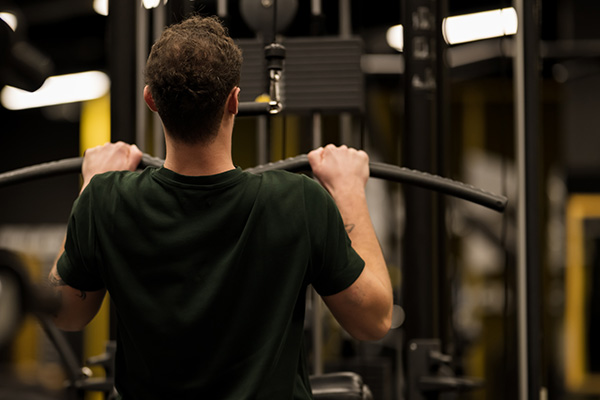
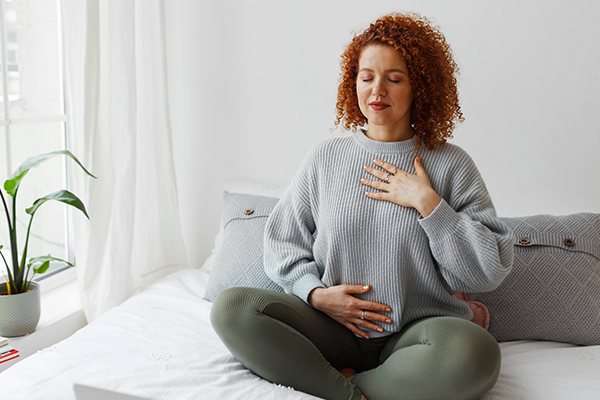
Understanding posture is the essential first step before searching for posture correction exercises. Healthdirect describes good posture as positioning your body correctly so your weight is spread evenly during all the tasks you do throughout the day. It’s how you hold yourself, so everyday habits matter as much as any specific exercise program you might employ.
A quick word on what this article sets out to achieve. It doesn't offer a routine that promises to 'correct' posture, and we won’t be giving step-by-step exercise instructions. We’ll cover where to find gentle, reputable exercises, the postural habits Healthdirect suggests for work, and when you need personalised advice from a health professional.
What Does Posture Mean?
Healthdirect offers a practical definition: good posture means positioning your body correctly so your weight is spread evenly as you go about everyday tasks. It describes how your body is positioned, and this article won't judge or test yours. If you're unsure about your own posture, a physiotherapist can help assess you and offer guidance.
Before Trying the Exercises
The exercises detailed below are sourced from the NHS, the United Kingdom's health service. Its guidance for getting started is refreshingly simple:
- Check if you're unsure: if you're not sure whether an exercise or routine is suitable for you, check with your GP or a health professional involved with your care.
- Build up slowly: gradually increase the repetitions of each exercise over time.
- Choose the right chair: for sitting exercises, use a solid, stable chair without wheels.
If you experience pain or something doesn't feel right while you're exercising, stop and speak with a healthcare professional if you have worrying symptoms.
Exercise Examples to Discuss or Try With Appropriate Guidance
The NHS recommends two sets of gentle exercises you can do at home with minimal equipment. Rather than seeing them as a prescription to correct posture, view them as general flexibility and mobility exercises. If you're interested in doing these exercises at home, it's reasonable to show them to a physiotherapist or GP.
- Flexibility exercises: The NHS says you can do these exercises at home to improve your health and mobility. Neck rotations, neck stretches, sideways bends and calf stretches can help improve flexibility over time and require no special equipment.
- Sitting exercises: The NHS describes several gentle exercises you can do at home to help improve your mobility. Chest stretches, upper-body twists, hip marching, ankle stretches and neck rotations can all be done while sitting on a chair.
These descriptions are general, and the NHS doesn’t guarantee results for any one person. We’re listing the exercises by name only in this article. For instructions on how to do each one, follow the links to the NHS pages or ask a physiotherapist to show you in person.
If you want to improve your posture, a physiotherapist is the best professional to assess you, recommend exercises, and show you how to do them safely and effectively.
Everyday Habits That Complement Movement
Exercise is only one part of your day. For the hours you spend working, Healthdirect suggests:
- setting up your workstation so you can work in a neutral posture for the majority of your day;
- taking regular, timed breaks to stretch.
Not every job makes this advice easy to follow, so do what's realistic in yours. Remember, you’re aiming to follow this advice most of the time, and that regular breaks are particularly important.
How Often Should Posture Exercises Be Done?
There's no set schedule for completing posture exercises. The NHS advises building up slowly, gradually increasing your repetitions over time. A physiotherapist can give you personalised advice and help you create a routine that suits you.
When Should a Physiotherapist or Doctor Be Consulted?
Healthdirect suggests that a physiotherapist can give you personalised advice to help improve your posture. That's worth considering if you want guidance that's tailored to your body and your schedule, rather than general routines.
If you have pain, discomfort or other symptoms that concern you, see your GP or a physiotherapist so they can properly assess it. Online articles like this can't tell you what's causing your symptoms or what you need to do to address them.
Frequently Asked Questions
Can exercise permanently correct posture?
There’s not enough evidence to prove that exercise can permanently correct posture.
Several reliable sources outline gentle exercises for mobility and everyday work habits, but they don't claim guaranteed results. For personalised advice, Healthdirect suggests that a physiotherapist can provide personalised assessments and exercise plans to help improve your posture.
How long does posture change take?
There's no specific timeframe, and changes vary from person to person.
The NHS advises building up postural exercises slowly and gradually increasing repetitions over time, and recommends physiotherapy as an appropriate avenue for developing personalised plans.
Is sitting upright all day the goal?
Not necessarily.
Healthdirect's tips for work are to set up your workstation so you can work in a neutral posture most of the time, and to take regular breaks to stretch. So the advice combines a comfortable setup with regular movement, not just sitting upright in your chair all day.
Can posture be the only explanation for pain?
Not necessarily.
If you're concerned about pain or discomfort, a GP or physiotherapist can help you by assessing and investigating it. It’s best not to assume posture is the cause.
How is this different from a rehabilitation programme?
Posture exercises generally aim to improve flexibility and mobility, while a rehabilitation programme is planned for you individually by a health professional, such as a physiotherapist or exercise therapist. A planned rehabilitation programme is best if you require personalised advice.
References
- Healthdirect Australia, How to improve your posture, https://www.healthdirect.gov.au/how-to-improve-your-posture
- NHS (United Kingdom), Flexibility exercises, https://www.nhs.uk/live-well/exercise/flexibility-exercises/
- NHS (United Kingdom) Sitting exercises, https://www.nhs.uk/live-well/exercise/sitting-exercises/
Disclaimer
This article provides general information only and is not a substitute for personalised medical or physiotherapy advice, diagnosis or treatment. Exercises are not suitable for everyone, and this information cannot tell you what is causing pain or other symptoms. If you are unsure whether an exercise is suitable for you, or you have symptoms that concern you, speak with an appropriately qualified healthcare professional such as your GP or a physiotherapist.