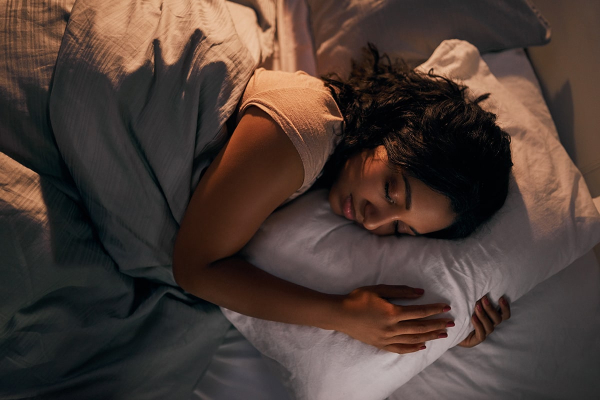
According to AIHW, back pain is one of the most common musculoskeletal symptoms experienced by Australians. Most adults will have at least one episode of low back pain at some point in their lives, and for many people a sore back settles over time with simple self-care.
When managing back pain, it can help to understand that back pain is a symptom rather than a diagnosis. It can vary widely in location, severity, duration and underlying cause, so two people with a similar sore back may have very different reasons for it. Some people have short-term lower back discomfort that improves within days or weeks, while others develop persistent or recurring symptoms that need clinical assessment. According to Healthdirect, more than nine in ten cases of back pain are not caused by a serious medical problem.
This article is an educational guide on how to manage back pain, including everyday self-care strategies, healthy lifestyle habits and the situations where it is sensible to seek medical advice. It does not describe a single solution that stops all back pain, because no such solution exists, and not all back pain can be managed at home. If your symptoms are severe, persistent or concerning, the safest step is to speak with a healthcare professional.
What Can Cause Back Pain?
Back pain can have many possible contributors, and often more than one is involved at the same time. Common lifestyle and musculoskeletal factors, according to Healthdirect, include:
- muscle or ligament strain, sometimes after an awkward movement;
- poor lifting technique or lifting a load that is too heavy;
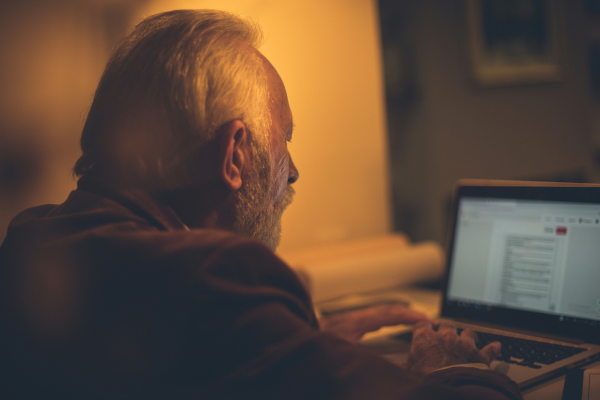
- prolonged sitting, including long periods at a desk or driving;
- sporting injuries or a sudden increase in physical activity.
Pain Health also explains that emotional stress, sleep quality and overall wellbeing can also influence how pain is experienced and how quickly it settles. Importantly, similar symptoms can arise from many different causes, and the location or severity of pain alone cannot identify what is behind it. This is not a checklist for diagnosing yourself. If the cause is unclear, or your symptoms are not improving, a healthcare professional is the appropriate person to assess it.
How to Manage Back Pain
Managing back pain means supporting your body's own recovery while keeping up your everyday activities where you reasonably can. For many people with uncomplicated lower back pain, that combination of gentle activity and sensible pacing is more helpful than resting completely. Healthdirect suggests conservative self-care strategies that may help support comfort, mobility or recovery include:
- keeping gently active rather than staying still, within the limits of your symptoms;
- avoiding prolonged rest;
- gradually returning to your normal activities as your symptoms allow;
- applying gentle warmth to the area, which can improve blood flow and reduce pain;
- maintain a healthy weight;
- maintaining healthy daily routines, including regular movement and good sleep.
Different approaches suit different people, and improvement often happens gradually rather than all at once. The Low Back Pain Clinical Care Standard from the Australian Commission on Safety and Quality in Health Care encourages people with low back pain to stay active and return to their usual activities, including work, as soon as they reasonably can. Think of these habits as ways to support your recovery, not as guaranteed cures.
Back Pain Self-Care Tips for Everyday Life
Small adjustments across the day can make a sore back more manageable. Practical lower back pain self-care habits you might build into your routine include:
- changing position regularly, rather than staying in one posture for long periods;
- taking movement breaks when sitting for extended stretches, for example standing or walking briefly every half hour or so;
- avoiding long periods of inactivity;
- maintaining a healthy body weight where appropriate for you;
- using supportive seating that lets you sit comfortably with your feet supported;
- lifting objects safely, keeping the load close to your body and using your legs;
- increasing your physical activity gradually after a period of rest.
Self-care should be adapted to your own circumstances, and it should never delay appropriate medical assessment. If your symptoms are getting worse, are not settling, or are interfering with everyday life, self-care is not a substitute for professional advice.
Can Exercise and Gentle Movement Support Back Health?
For many people with uncomplicated back pain, staying gently active is one of the more helpful things you can do, and it may support mobility and recovery. Healthdirect notes that keeping active is one of the most effective ways to manage non-specific low back pain, and that gentle options such as walking, water-based walking, swimming and simple stretches can be a reasonable way to start.
The general principle is to introduce activity gradually and to adjust it according to how you feel, rather than pushing through significant pain. What is suitable will differ from person to person, so there is no single exercise program that is right for everyone. Severe pain, pain that follows an injury, or symptoms that affect your ability to move should be assessed by a healthcare professional before you begin any new exercise routine.
Posture, Movement and Everyday Habits
Everyday habits can contribute to back discomfort for some people, particularly prolonged sitting, an awkward workstation setup, repetitive activities and limited movement through the day. A few practical, ergonomic principles from Monash University can help reduce sustained strain:
- set up your workspace so you can sit or stand in a comfortable, relaxed position, with your screen at a sensible height;
- alternate between sitting and standing where you can, and change position regularly;
- build small amounts of movement into the day rather than staying static for hours;
- vary your tasks so you are not repeating the same movement or position continuously.
It is worth keeping posture in perspective. Posture is only one of several factors that can influence back pain, and current guidance moves away from the idea that there is a single perfect posture or that one wrong position is to blame. Rather than trying to hold yourself rigidly, the more useful goal is to keep moving and avoid staying in any one position for too long.
Looking After Your Back While Sleeping
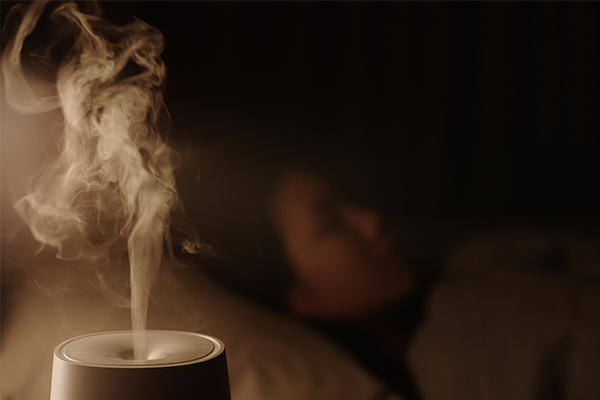
Sleep position and overnight comfort can affect how some people with back pain feel, though preferences vary a great deal from person to person. Recommendations from the Australian Chiropractors Association include lying on your side with a pillow between your knees, or lying on your back with a pillow under your knees, so your spine stays in a relaxed, neutral position.
There is no single sleeping position that is right for everyone, and it is fine to settle on whatever is comfortable and lets you rest well. Because good sleep supports overall recovery, focusing on comfort and consistency is generally more useful than worrying about getting the position exactly right.
When Should You Speak With a Healthcare Professional About Back Pain?
It is worth arranging a routine appointment with your GP or another healthcare professional if your back pain is not improving or is affecting your daily life. Healthdirect suggests seeing a doctor if your back pain has not started to improve after about six weeks, or if it is affecting your ability to sleep or carry out everyday activities.
Other reasons to seek a professional assessment include recurring episodes of back pain, pain that is gradually getting worse, reduced mobility, or symptoms that continue to interfere with work or daily routines. If you are unsure what is causing your symptoms, or self-care is not helping, a healthcare professional can assess you properly and advise on what to do next. This is different from the emergency warning signs described below.
Urgent warning signs: when to seek emergency care
Frequently Asked Questions
What self-care can I try for back pain?
For most everyday back pain, gentle self-care such as staying active, moving regularly, applying warmth for comfort and gradually returning to your usual activities may help support comfort and recovery. Avoiding long periods of inactivity, pacing physical tasks and keeping up healthy daily routines can also help. Self-care is not appropriate for severe or concerning symptoms, or for pain following a significant injury, which should be assessed by a healthcare professional.
Should I rest or keep moving if I have back pain?
For most uncomplicated back pain, staying gently active is generally encouraged rather than resting in bed for long periods. Prolonged bed rest can make stiffness and pain last longer, so returning to your usual activities as your symptoms allow is often more helpful. The most suitable approach depends on the cause and severity of your symptoms, so seek advice if you are unsure or your pain is severe.
Can exercise help manage back pain?
Suitable physical activity can be a helpful part of managing many kinds of everyday back pain, and it may support mobility and recovery. Gentle, gradual movement such as walking or stretching is a common starting point, but what is appropriate varies from person to person. Persistent or severe symptoms, or pain after an injury, should be reviewed by a healthcare professional before you start a new exercise routine.
Can poor posture contribute to back pain?
Posture can contribute to back discomfort for some people, particularly when combined with prolonged sitting or repetitive activities, but it is rarely the only factor. Rather than aiming for one perfect posture, it is generally more useful to change position regularly, keep moving through the day and avoid staying static for long periods.
This article provides general information only and is not a substitute for personalised medical advice, diagnosis or treatment. Back pain can have many different causes, and this information cannot tell you what is causing your symptoms. If you have concerns about your back, or your symptoms persist, worsen or interfere with daily life, speak with a qualified healthcare professional such as your GP. Seek urgent medical care by calling triple zero (000) if you experience any of the emergency warning signs described above.


.jpg)










.png)
.png)
.png)
.png)


.png)




.png)
.png)
.png)
.png)