Circadian rhythm disorders are sleep disorders where the problem lies with the timing of sleep and wakefulness, rather than with sleep itself.
The Sleep Health Foundation explains that circadian rhythms are roughly 24-hour patterns that are regulated by internal biological clocks. For people with circadian rhythm disorders, their internal body clock has fallen out of sync with the schedule their life requires, so they find themselves feeling sleepy or wide awake at the wrong times.
There are several types of circadian rhythm sleep-wake disorders, including:
- Delayed sleep phase disorder,
- Advanced sleep phase disorder,
- Shift-work disorder, and
- Jet lag.
An occasional late night, a temporary change of routine or a single night of poor sleep will shift most people's sleep timing for a while, but this is a temporary circadian disruption rather than a disorder. A circadian rhythm disorder is a more persistent mismatch between someone’s body clock and their required sleep schedule. A doctor or healthcare professional needs to identify and diagnose a circadian rhythm disorder.
This article will explain:
- How the body clock influences sleep,
- The main types of circadian rhythm disorders,
- The symptoms of circadian rhythm disorders,
- The factors that can disrupt circadian timing, and
- When to speak to a doctor or healthcare professional.
How Does Your Circadian Rhythm Influence Sleep?
Your body runs on an internal clock that cycles roughly every 24 hours. According to the Sleep Health Foundation's guide to the body clock, it determines when you feel sleepy and when you feel alert, with light being the major signal that keeps it in sync. The body naturally produces melatonin, a hormone that influences sleep and wake cycles, in response to light and darkness, which cues the body clock to stay aligned with conventional day and night patterns.
Sleep tends to come most easily when a person's internal sleep-wake cycle aligns with external light and dark signalling. When the two are misaligned, whether because the internal clock has been disrupted or the schedule has changed, both sleep and alertness can suffer.
What Are the Main Types of Circadian Rhythm Sleep-Wake Disorders?
The Sleep Health Foundation groups circadian rhythm disorders into several categories. This article focuses on:
- Delayed sleep phase disorder,
- Advanced sleep phase disorder,
- Shift-work disorder, and
- Jet lag.
Delayed Sleep Phase Disorder
In delayed sleep phase disorder, the body clock is timed later than the conventional day, so a person naturally falls asleep and wakes much later than social, work or school schedules require. When they are able to follow their preferred timing, they often sleep perfectly normally. Their difficulty arises when they try to fall asleep earlier than their body clock is ready for. The Sleep Health Foundation explains that this pattern can be mistaken for insomnia, and that evening light exposure can contribute to it.
Advanced Sleep Phase Disorder
In advanced sleep phase disorder, this pattern is reversed. The body clock is timed earlier, producing sleepiness in the early evening and wakefulness very early in the morning, often well before the person would like to be awake.
Shift-Work Disorder
Night, early-morning and rotating shift-work requires people to be awake and working when their body clock is signalling sleep, and to sleep when it is signalling wakefulness. The Sleep Health Foundation explains that shift-work can disrupt natural sleep patterns and circadian rhythms, and that it is associated with poorer sleep, tiredness and reduced alertness and concentration.
Not every shift worker has a shift-work disorder. Many people experience shift-related circadian disruption without it becoming a disorder. A doctor or healthcare professional needs to assess whether someone’s difficulties relating to shift-work amount to a diagnosable disorder.
Jet Lag
Jet lag is a familiar example of circadian disruption, and also the most clearly temporary.
According to Healthdirect, jet lag is a temporary sleep problem that occurs after rapid travel across multiple time zones, where the body's circadian rhythm is disturbed. In jetlag, the circadian rhythm is disrupted, but it resolves as the body readjusts. Jet lag can become a chronic problem for people who travel frequently.
What Symptoms Can Circadian Rhythm Disorders Cause?
All circadian rhythm disorders are a mismatch between when a person can sleep, and when they need to sleep. This can show up as:
- Difficulty falling asleep at the required time,
- Difficulty waking when required,
- Sleepiness at unwanted times, including early in the evening or during the day,
- Tiredness and reduced alertness or concentration, and
- Disruption to daily routines, work or study due to disordered sleep and wake times.
The symptoms of circadian rhythm disorders can overlap with other sleep disorders. For example, difficulty falling asleep is also a central feature of insomnia, and the Sleep Health Foundation notes that delayed sleep phase disorder can be mistaken for insomnia. Symptoms alone cannot confirm a circadian rhythm disorder, which is why a doctor or healthcare professional should assess sleep-timing difficulties.
What Can Disrupt Your Circadian Rhythm?
Light is the body clock's main synchronising signal. Changes to when a person is exposed to light and when they are awake are the most common causes of circadian disruption. This might look like:
- Shift work, particularly night and rotating shifts,
- Rapid travel across multiple time zones, and
- Evening light exposure.
These kinds of disruptions do not automatically result in circadian rhythm disorders, especially if they are temporary. Circadian rhythm disorders involve more persistent problems with sleep-wake timing or alignment.
When Should You Speak With a Healthcare Professional?
You should speak to a doctor or healthcare provider if:
- Sleep-timing difficulty is persistent,
- Your sleep is disrupted at the times your life requires, or
- Tiredness and reduced alertness meaningfully affect your work, study, safety, or daily functioning.
A doctor or healthcare provider will consider your sleeping patterns alongside your schedule, health history, and any other sleep problems, to help determine whether you have a temporary circadian disruption, a circadian rhythm disorder, or another sleep disorder like insomnia.
Frequently Asked Questions
Can you reset your circadian rhythm?
The body's circadian rhythm can adjust in response to environmental cues, but there is no single switch to 'reset' it.
The Sleep Health Foundation explains that light is the major signal that synchronises the body clock, and timing light exposure can be part of a management strategy. It’s important to see a doctor or healthcare provider to help you manage a circadian rhythm disorder.
How is a circadian rhythm disorder different from insomnia?
A circadian rhythm disorder is primarily a sleep-timing problem, whereas insomnia is a problem with sleep itself.
Healthdirect defines insomnia as difficulty falling asleep, staying asleep, or waking up too early, which affects how you feel during the day. In a circadian rhythm disorder, you may sleep well if you can keep your own schedule, but the sleep-timing problem interferes with work, school and other activities.
Insomnia and circadian rhythm disorders can overlap, and the Sleep Health Foundation notes that delayed sleep phase disorder can be mistaken for insomnia. A doctor or healthcare professional can accurately assess and diagnose you.
Can shift work affect your circadian rhythm?
Yes.
Night, early-morning and rotating work schedules can conflict with biological sleep timing, and the Sleep Health Foundation explains that shift work can disrupt the natural sleep pattern and circadian rhythm. Shift work has been associated with poorer sleep, tiredness and reduced alertness and concentration. However, not every shift worker develops a disorder. Shift-work disorder is a recognised category of circadian rhythm sleep disorder, and a doctor or healthcare professional would assess whether someone’s difficulties meet that description.
Can screen time affect your circadian rhythm?
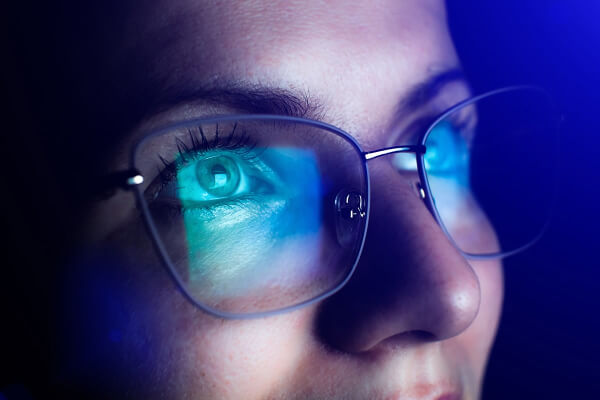
Yes. Evening light can influence body-clock timing, including light from screens.
However, while using screens in the evening can increase light exposure at that time, it does not necessarily mean it causes circadian rhythm disorders. A doctor or healthcare professional would assess whether evening light is a contributor to sleep problems, and whether you have a circadian rhythm disorder.
References
- Sleep Health Foundation. Circadian Rhythm Disorders.
- Sleep Health Foundation. Body Clock.
- Sleep Health Foundation. Delayed Sleep-Wake Phase Disorder (DSWPD).
- Sleep Health Foundation. Advanced Sleep Phase Disorder (ASPD).
- Sleep Health Foundation. Shift Work.
- Healthdirect Australia. Jet lag.
- Healthdirect Australia. Insomnia.
Disclaimer
The information in this article is for educational purposes and does not constitute personal health advice. Alternaleaf does not offer the services described here. Please consult your primary healthcare provider to determine what's right for you.